Bénin
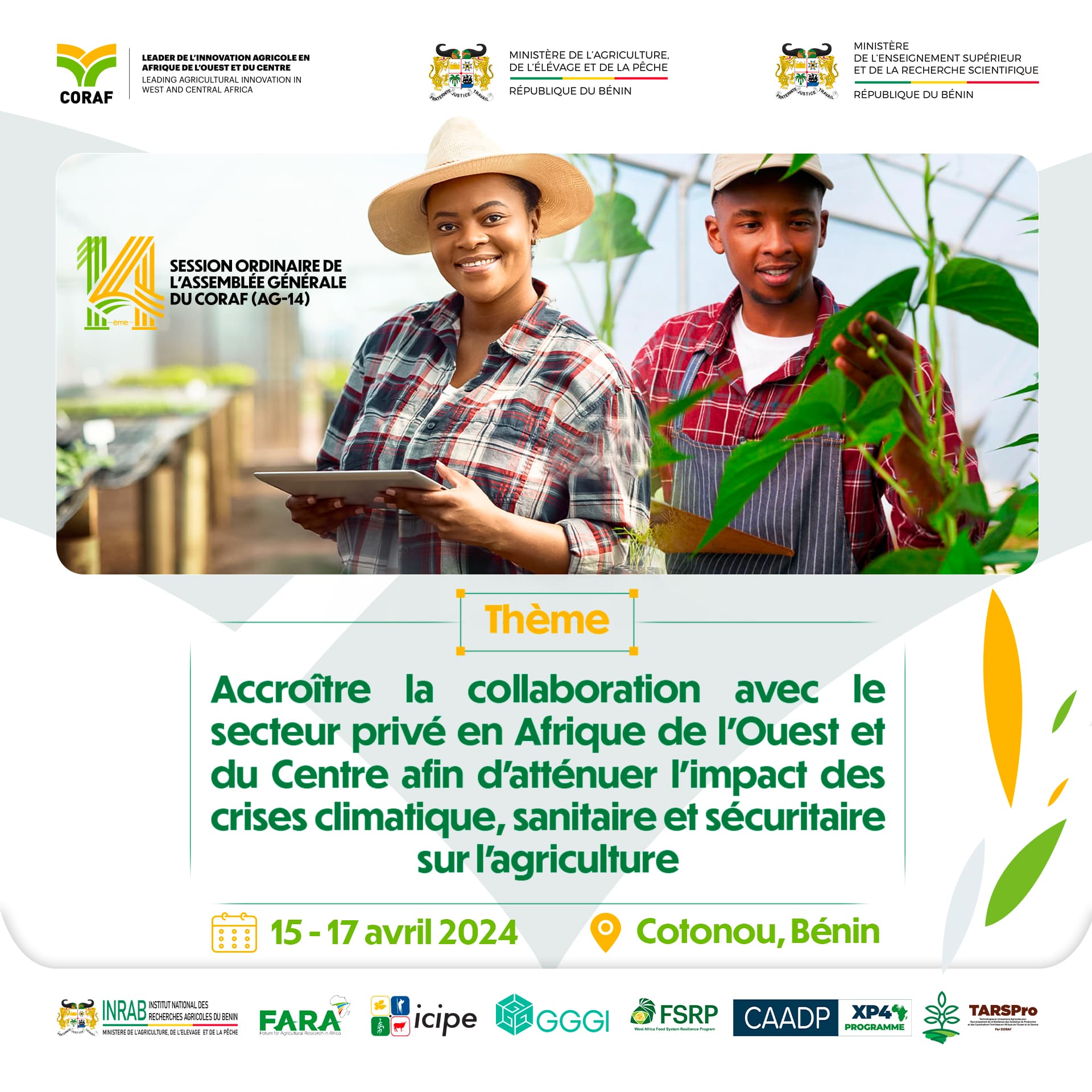
Le CORAF travaille avec des institutions de recherche agricole au Bénin pour soutenir le développement de technologies agricoles adaptées aux besoins locaux, la formation des chercheurs et des agriculteurs, et la promotion de pratiques agricoles durables
Burkina Faso
Au Burkina Faso, le CORAF collabore avec des partenaires locaux pour soutenir la recherche agricole visant à accroître la productivité, la résilience et la durabilité des systèmes de production agricole, en mettant l'accent sur des cultures telles que le mil, le sorgho et le coton.
Gambie
Le CORAF collabore avec les institutions gambiennes pour renforcer les capacités de recherche agricole, en mettant l'accent sur la sécurité alimentaire, la gestion des ressources naturelles et le développement rural.
Guinée
Le CORAF travaille avec les partenaires guinéens pour renforcer la recherche agricole, en mettant l'accent sur l'amélioration des rendements agricoles, la promotion de pratiques agricoles durables et la diversification des cultures.
Liberia
Le CORAF collabore avec les institutions libériennes pour renforcer les capacités de recherche agricole, en mettant l'accent sur la promotion de l'agriculture durable, la sécurité alimentaire et la réduction de la pauvreté rurale.
Mali
Au Mali, le CORAF soutient la recherche agricole pour améliorer la productivité des cultures telles que le mil, le riz et le coton, tout en promouvant l'adoption de pratiques agricoles résilientes aux changements climatiques et respectueuses de l'environnement.
Guinée-Bissau
En Guinée-Bissau, le CORAF soutient la recherche agricole pour améliorer la productivité des cultures de subsistance telles que le riz, le maïs et le fonio, ainsi que pour promouvoir la sécurité alimentaire et la résilience des agriculteurs face aux chocs économiques et climatiques.
Mauritania
Le CORAF collabore avec les institutions mauritaniennes pour renforcer les capacités de recherche agricole, en mettant l'accent sur l'adaptation aux conditions arides, la promotion de l'irrigation et la diversification des activités agricoles.
Nigeria
Le CORAF travaille avec les partenaires nigérians pour renforcer la recherche agricole, en mettant l'accent sur l'amélioration des rendements agricoles, la sécurité alimentaire et la réduction de la pauvreté rurale.
Sierra Leone
Le CORAF collabore avec les institutions sierra-léonaises pour renforcer les capacités de recherche agricole, en mettant l'accent sur la sécurité alimentaire, la gestion des ressources naturelles et le développement rural.
Ghana
Au Ghana, le CORAF soutient la recherche agricole pour améliorer la productivité des cultures vivrières et commerciales, ainsi que pour promouvoir la résilience face aux changements climatiques et la durabilité environnementale.
Côte d'Ivoire
En Côte d'Ivoire, le CORAF soutient la recherche agricole pour améliorer la productivité des cultures telles que le cacao, le café et le palmier à huile, tout en promouvant des pratiques agricoles respectueuses de l'environnement.
Niger
Au Niger, le CORAF soutient la recherche agricole pour améliorer la productivité des cultures vivrières telles que le mil et le sorgho, ainsi que pour promouvoir la résilience des agriculteurs face aux sécheresses et aux autres chocs climatiques.
Senegal
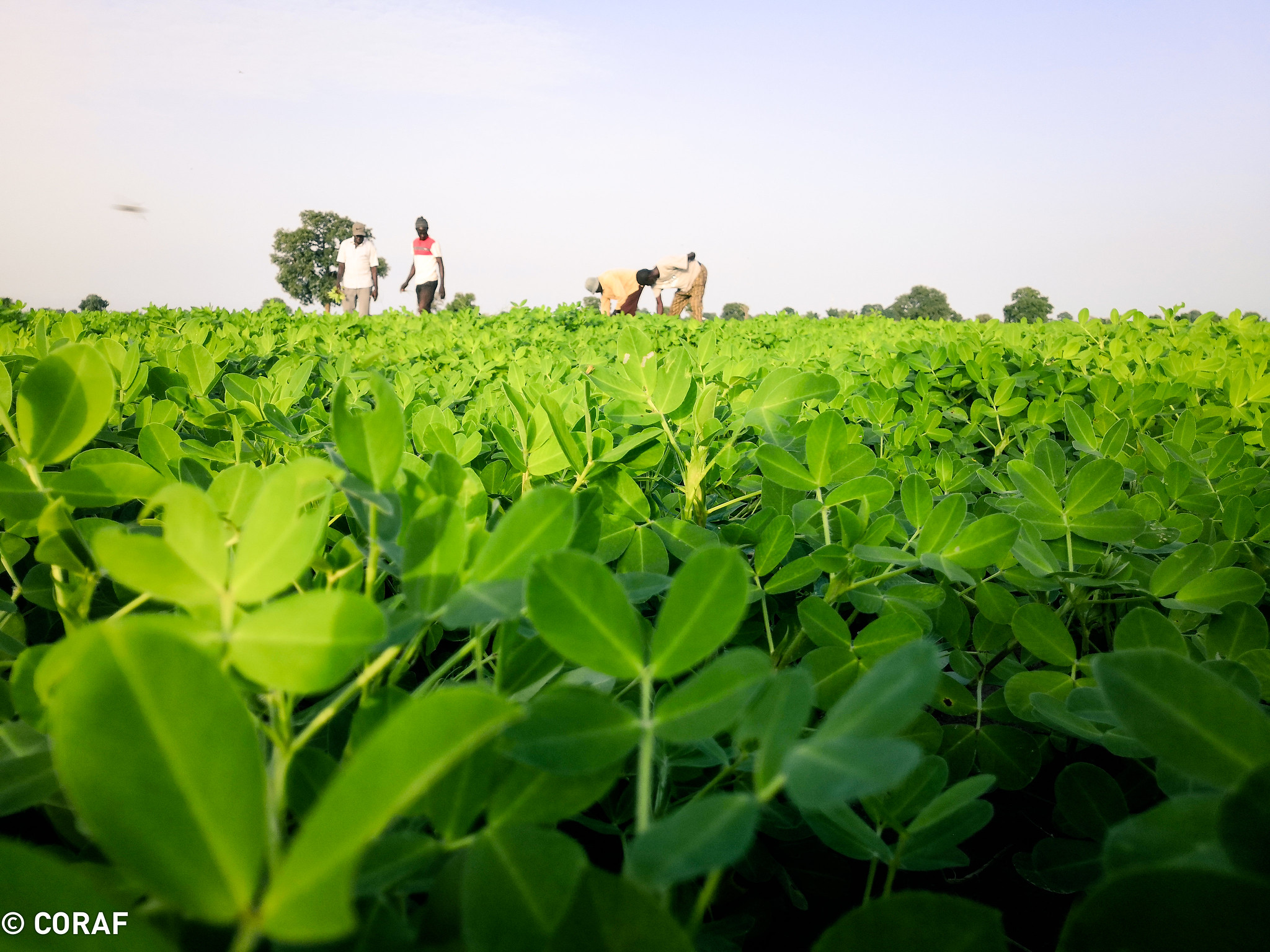
Au Sénégal, le CORAF soutient la recherche agricole pour améliorer la productivité des cultures telles que l'arachide, le riz et le mil, tout en promouvant la résilience des systèmes agricoles face aux changements climatiques et la promotion de pratiques agricoles durables.
Togo
Le CORAF travaille avec les partenaires togolais pour renforcer la recherche agricole, en mettant l'accent sur l'amélioration des rendements agricoles, la sécurité alimentaire et la promotion de pratiques agricoles durables.
Benin
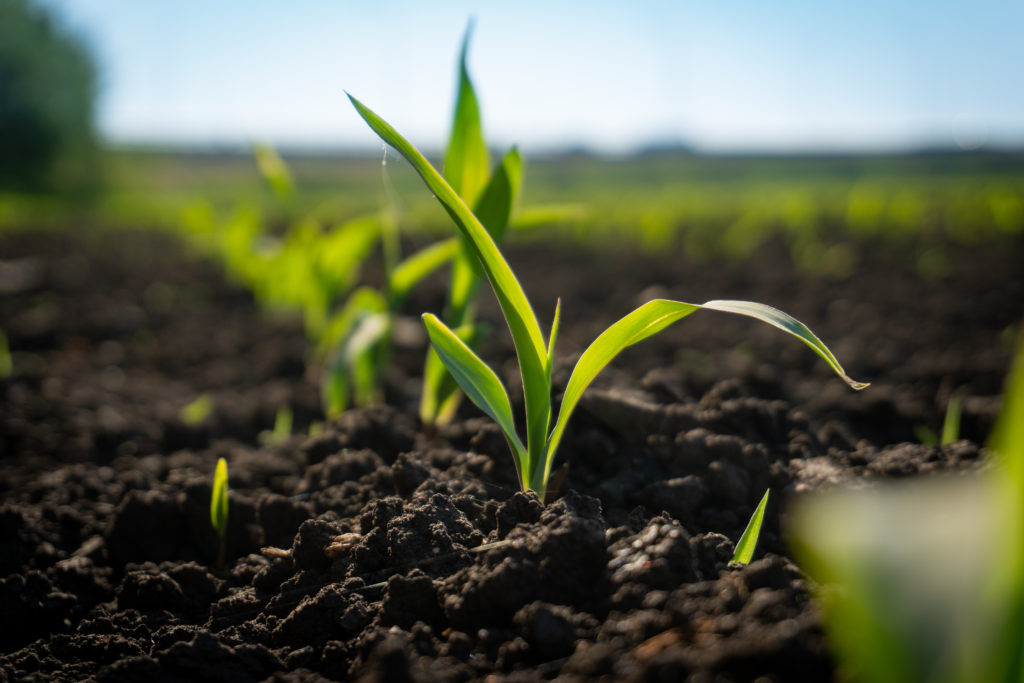
En tant qu’organisation de coordination de la recherche, le CORAF travaille main dans la main avec les systèmes nationaux de recherche agricole du Bénin ainsi que les centres régionaux de spécialisation sur le maïs pour concevoir des solutions scientifiques et technologiques permettant aux acteurs agricoles de relever ces défis.